
Progression · 10 min read · Intermediate
How to Play as Jason and Lucia
How dual protagonists change missions, money, relationships, and free roam - when to switch, how to prep both loadouts, and how to read the story as a partnership.
GTA VI's headline fantasy is Jason and Lucia together - a couple navigating love, loyalty, and crime across Leonida. Gameplay follows that pitch: you are not always a lone silent protagonist with a garage.
Playing well means thinking like a partnership. Switch with intention, gear both leads, and pay attention to relationship tone in mission choices.
This guide covers switching discipline, separate versus shared resources, story choice awareness, and free-roam habits that keep both characters feeling alive.
When to switch characters
Switch when geography or specialty demands it, not only when a mission forces the issue. If Lucia is closer to a Vice City contact and Jason is idle in the Keys, take the efficient body.
Before voluntary switches, stash vehicles, heal, and note wanted levels. Dumping a hot character to "wait it out" can work, but only if the game rules allow heat to cool off-screen.
During missions with scripted switches, treat the idle partner as a loadout checkpoint. The second you regain them mid-firefight is too late to realize they have no armor.
Use free-roam switches to refresh map energy. Different protagonists can make the same street feel new through lines, animations, and contact lists.
Relationship and choice awareness
Trailers sell chemistry; systems may track trust, tension, and approach preferences. Even if meters are subtle, dialogue choices and who takes the lead on scores can change later banter and options.
Play the couple consistently enough that their shared story feels coherent. Whiplash cruelty then sudden softness is fine as drama, but know you may be training different outcomes.
Side characters - Cal, Brian, Boobie, Raul, and others - orbit the pair differently. Doing someone's mission as the "wrong" lead might still work, yet flavor and intel can differ.
Listen to car conversations. Rockstar packs motivation and foreshadowing into drives; skipping every ambient beat makes later choices feel unearned.
Money, clothes, and shared logistics
Learn early whether cash is shared, split, or transferable. Shop accordingly. Nothing is more awkward than standing in a dealership on the broke protagonist.
Wardrobes are identity tools. Keep a stealth outfit, a nightlife outfit, and a utility outfit per character if storage allows.
Properties should serve both. A safehouse that only stocks Jason's clothes becomes a soft lock during Lucia-focused chapters.
Coordinate vehicles: one shared utility plus character favorites prevents inventory drama.
Combat as a duo fantasy
Even when you control one body, plan for crossfires and complementary guns. One close-range specialist and one mid-range rifleman covers more interiors.
In AI partner segments, do not sprint into rooms your partner cannot path into cleanly. Use doorways and cover the partner can actually use.
Revive, cover, and snack discipline matter more in duo set pieces. Ego pushes get both characters killed.
For stealth, decide who enters first based on kit - suppressed tools, melee, distraction items - not based on who you "main."
Pacing the dual story
Alternate focused sessions: a Lucia afternoon of city contacts, a Jason morning of Keys errands. This mirrors the trailer editing rhythm and keeps side content from orphaning one lead.
When the main conspiracy accelerates, reduce random chaos that would undercut tone. The best GTA stories let free roam breathe between big narrative spikes.
Replay missions later for gold only after you understand how choices landed. First clears are for story clarity.
If a chapter feels unclear, read character pages on this site for relationship context, then return to the game with fresher eyes.
Key tips
- Gear the idle protagonist before missions with forced switches.
- Switch in free roam to match district and contact lists.
- Keep outfits and vehicles usable by both leads.
- Treat car banter as part of the main story.
Common pitfalls
- Leaving one character under-armored for finale switches.
- Ignoring relationship tone until an ending or mission locks oddly.
- Buying property and clothes that only serve one protagonist.
- Rushing every drive and skipping duo character development.
Related guides
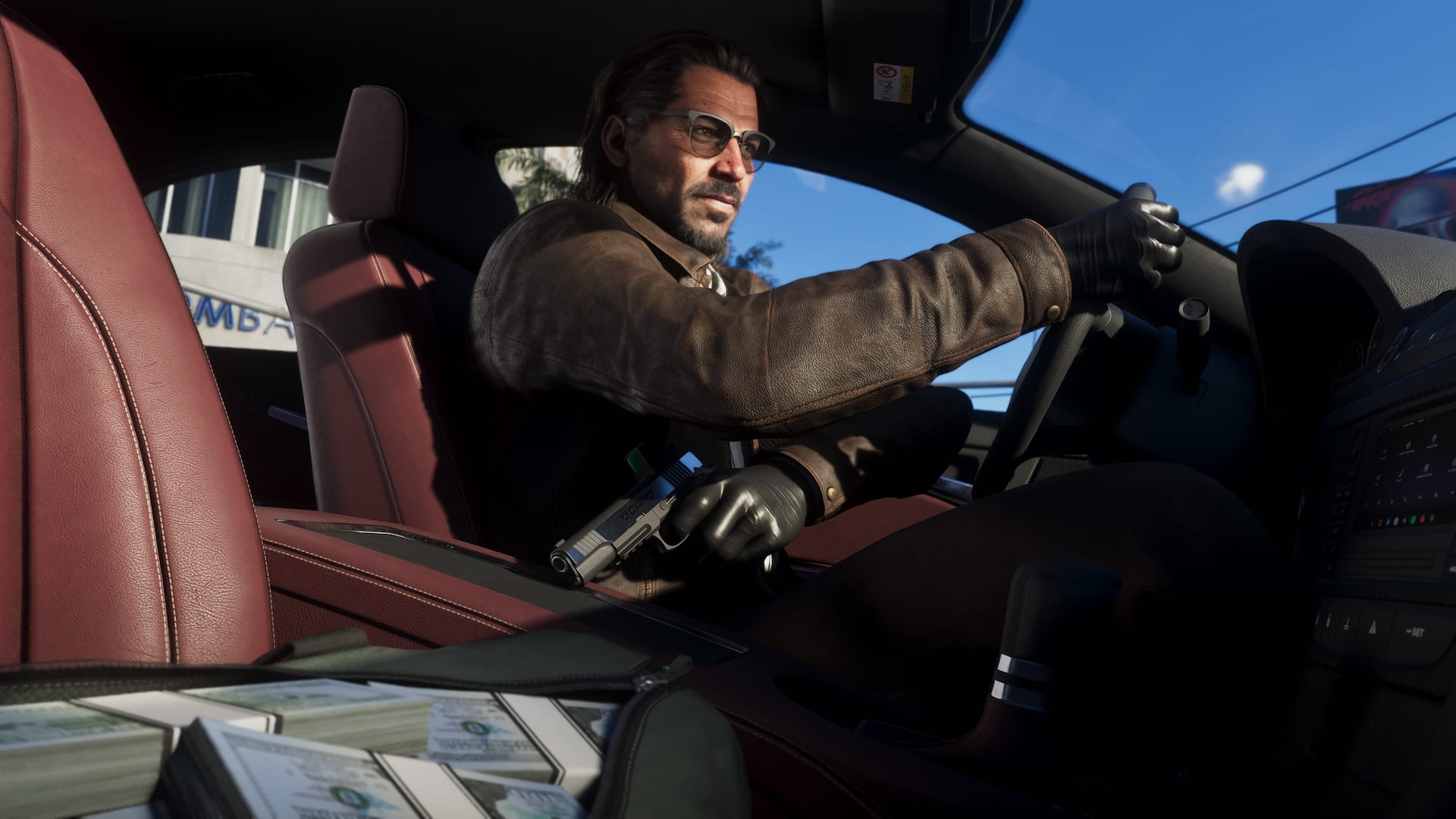
Money · 12 min · Intermediate
How to Become Rich in GTA VI
A long-form money guide for Leonida - early scores, property income, vehicle flips, heist prep, and habits that keep Jason and Lucia ahead of the bills.

Combat · 10 min · Intermediate
How to Lose the Cops in GTA VI
Practical escape routes and habits for Leonida - Vice City density, Keys water exits, rural blind spots, and how to stop feeding stars with panic driving.
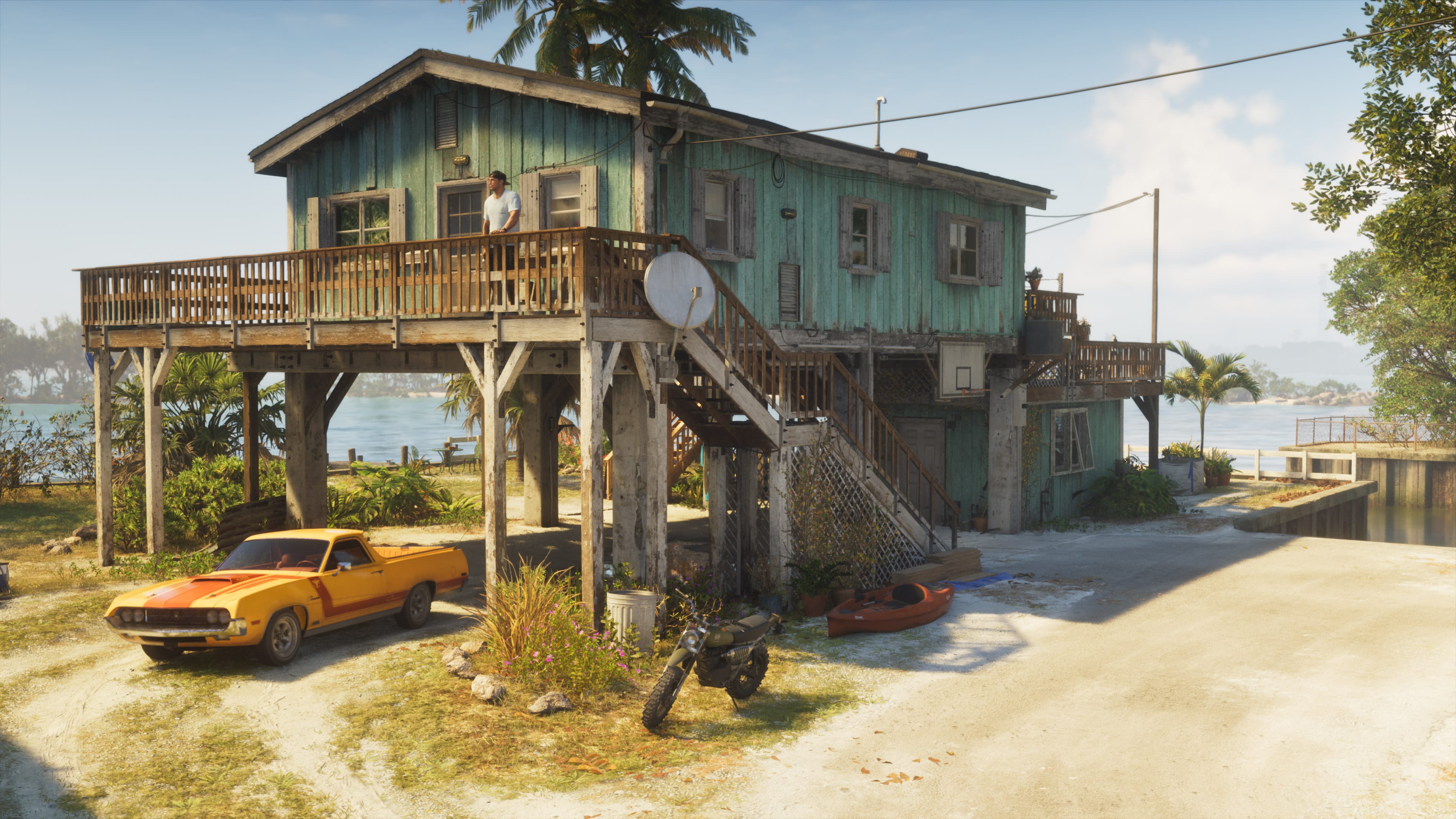
Progression · 12 min · Advanced
How to Prepare and Finish Heists
A heist preparation guide - scouting, crew and approach choices, vehicle staging, finale composure, and how to turn one big score into lasting progression.