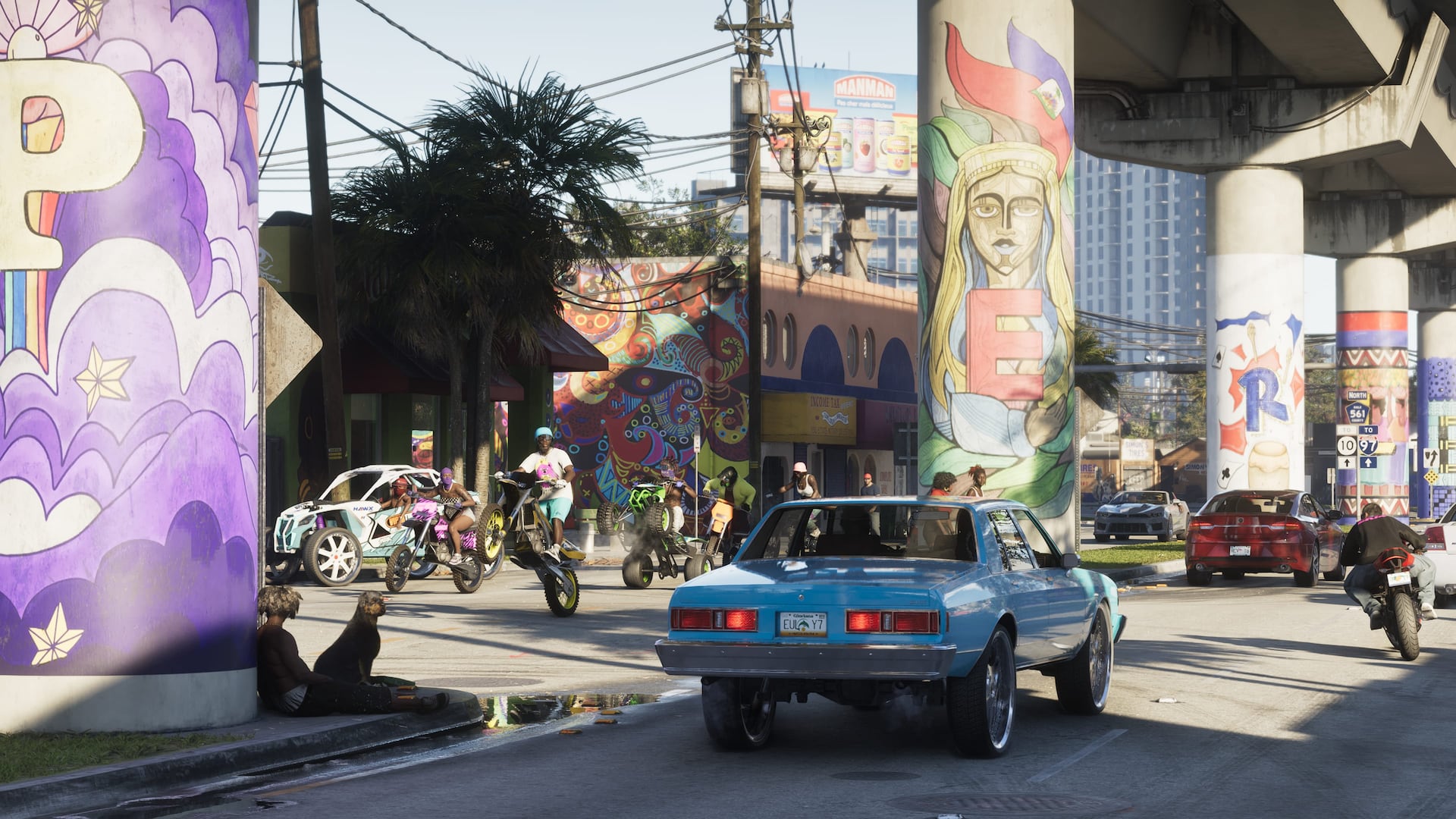
News · August 1, 2026 · 16 min read
Take-Two's AI Fake Takedown Wave: Why Fake GTA VI Gameplay Keeps Getting Struck
Publisher DMCA pressure is hitting AI-generated “gameplay” clips that impersonate Rockstar footage. Here is what the enforcement wave means for fans sorting real media from synthetic noise.
As GTA VI's November 19 launch approaches, synthetic “gameplay” has become a parallel media stream: AI-upscaled mashups, invented UI overlays, and trailer frames extended into minutes of false play. Many clips are labeled vaguely enough that casual viewers treat them as leaks or official drops.
Take-Two and rights holders have responded with takedown pressure-DMCA notices and related removals-aimed at videos that misappropriate Rockstar branding or present protected assets as authentic new footage. Enforcement will not delete every mirror, but it raises the cost of industrial-scale impersonation in the months when confusion is most profitable for click traffic.
Fans should separate two questions. First: is a clip using Rockstar-owned material or trademarks without authorization? That is a rights issue. Second: does the clip accurately depict unreleased GTA VI systems? That is an evidence issue. A video can be illegal to host and still be worthless as a source-or removed and still leave screenshots circulating without context.
The practical habit is unchanged by any single wave of strikes. Prefer Rockstar's Newswire, product page, and verified video channel. Treat anonymous “gameplay leaks” as entertainment until a first-party source publishes equivalent footage. Takedowns are a cleanup tool, not a secret roadmap.
Why AI fakes thrive in a trailer drought
Demand for new GTA VI motion outpaces Rockstar's official drip. Generative tools fill the gap with plausible motion, familiar color grading, and captions that imply insider access. The more polished the fake, the more it borrows credibility from real Trailer 1 and Trailer 2 frames.
Engagement algorithms reward certainty language-“new gameplay,” “unreleased build,” “Trailer 3 leak”-regardless of provenance. That incentive structure is why enforcement and media literacy both matter; neither alone stops the flood.
What DMCA pressure can and cannot accomplish
Takedown notices can remove specific uploads from major platforms and discourage channels that industrialize impersonation. They cannot instantly erase every reupload, Discord mirror, or cropped still. Nor do they authenticate rival clips that remain online.
Readers should not treat “this was struck” as proof the footage was real. Rights holders also pursue unauthorized use of trademarks and trailer frames in obvious fakes. Removal status is not a quality score for the underlying claim.
A quick authenticity checklist for viral clips
Open the alleged source on a Rockstar-owned domain or verified channel. If the only “source” is a reaction channel, a watermarked Telegram still, or an AI account, stop there. Check whether UI elements match previously published official HUD language, and whether audio contains generative artifacts or mismatched foley.
Be suspicious of clips that reveal PC settings, online lobbies, or unannounced modes while Rockstar still lists a console-first November 19 launch without a dated PC SKU. Implausible product scope is often the tell.
- Require a Rockstar URL before calling footage official.
- Separate “uses Rockstar art” from “shows new systems.”
- Do not cite takedown drama as confirmation of leaks.
How this interacts with Trailer 3 rumor season
Fake gameplay often piggybacks on calendar theories-August 6 drops, earnings-week “surprises,” and invented premiere IDs. When those dates are themselves unconfirmed, synthetic clips act as false corroboration.
Keep ledgers separate: Trailer 3 timing is unconfirmed as of August 5; AI fakes are a known noise source; November 19 console launch remains official. Mixing those columns is how rumor pages manufacture urgency.
What responsible coverage looks like from here
Report enforcement waves as platform and rights context, not as proof of secret builds. When analyzing disputed footage, state what can be verified visually and what remains unknown. Never launder an anonymous clip into “Rockstar showed.”
Point readers back to primary materials: the GTA VI page, Newswire launch announcement, and Take-Two preorder release. Those documents will not satisfy every curiosity, but they will not hallucinate a mission either.
What is confirmed right now
For “Take-Two's AI Fake Takedown Wave: Why Fake GTA VI Gameplay Keeps Getting Struck,” the durable confirmed baseline is still narrow: Grand Theft Auto VI remains scheduled for November 19, 2026 on PlayStation 5 and Xbox Series X|S unless a newer Rockstar or Take-Two update supersedes that plan. Preorders opened June 25, 2026; US Standard is $79.99 and Ultimate is $99.99; preload begins November 12; physical copies include a download code in the box.
Anything beyond those entries-especially Trailer 3 timing, undated PC plans, or anonymous mechanics-stays unconfirmed until Rockstar publishes equivalent detail. Leaks are not confirmation.
How to separate reporting from rumor
Read “Take-Two's AI Fake Takedown Wave: Why Fake GTA VI Gameplay Keeps Getting Struck” as a map of claims with different strengths. Rockstar Newswire posts, the GTA VI product page, and Take-Two releases or filings are official. Reputable outlets can report independently sourced information, but that is still reporting. Screenshots, Discord tips, and AI clips begin as unverified.
A useful habit is to rewrite each viral sentence until only the evidenced fragment remains. “Take-Two hosts earnings August 7” can be calendar fact; “therefore Trailer 3 drops August 6” is inference. Keep those clauses in different labels so repetition cannot launder the second into the first.
Buyer checklist before November
If “Take-Two's AI Fake Takedown Wave: Why Fake GTA VI Gameplay Keeps Getting Struck” affects a purchase decision, translate it into practical checks before November 12 preload week: confirm your platform is PS5 or Xbox Series X|S, compare Standard versus Ultimate against published extras, and understand that a boxed copy still requires a substantial download.
Calendar storage cleanup, account region, and any subscription trial end dates tied to preorder offers. Do not treat undated PC hopes or multiplayer timing as part of the November 19 console basket unless Rockstar adds them in writing.
- Verify storefront platform and edition before paying.
- Plan disk space ahead of the November 12 preload.
- Ignore AI “gameplay” when choosing an edition.
- Re-check Rockstar channels the week of launch for patch notes.
What we will update next
The next revision of “Take-Two's AI Fake Takedown Wave: Why Fake GTA VI Gameplay Keeps Getting Struck” should cite a newer primary document, a Rockstar consumer announcement, or a clearly labeled correction-not a louder repost of the same claim. If August 7 earnings materials reaffirm November 19 without new creative detail, that still counts as a meaningful corporate update.
We will specifically watch for an official Trailer 3 notice, any dated PC statement, and clarified install or performance guidance. Until those arrive, the honest update may be that the open questions remain open.
Related dispatches
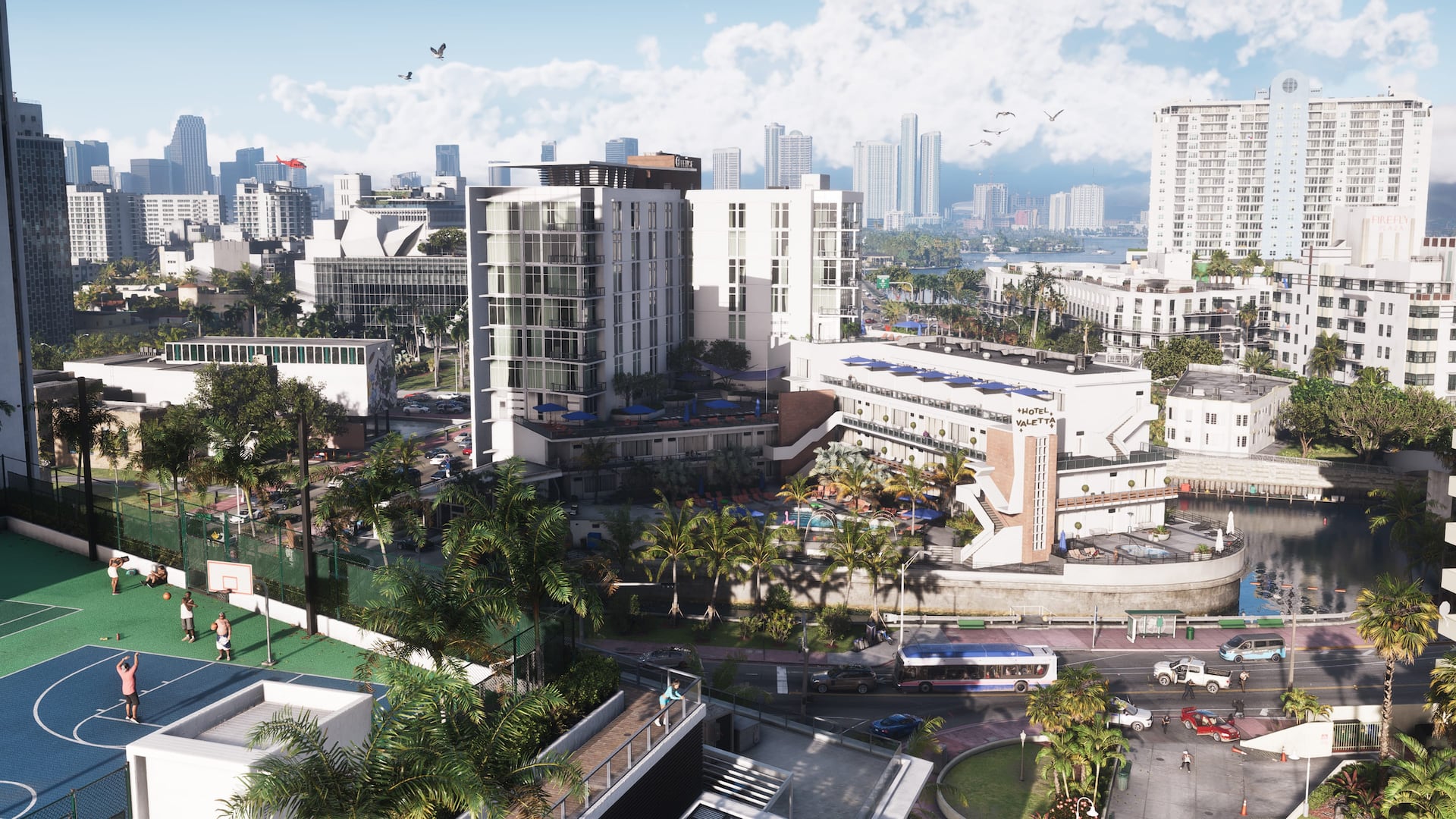
News · 16 min
GTA 6 Unlocks in New Zealand First: Why the U.S. Waits Almost a Day
PlayStation Store region listings point to midnight local, not one global button. New Zealand goes first. North America is near the back of a 19-hour line. Spoilers will not wait.
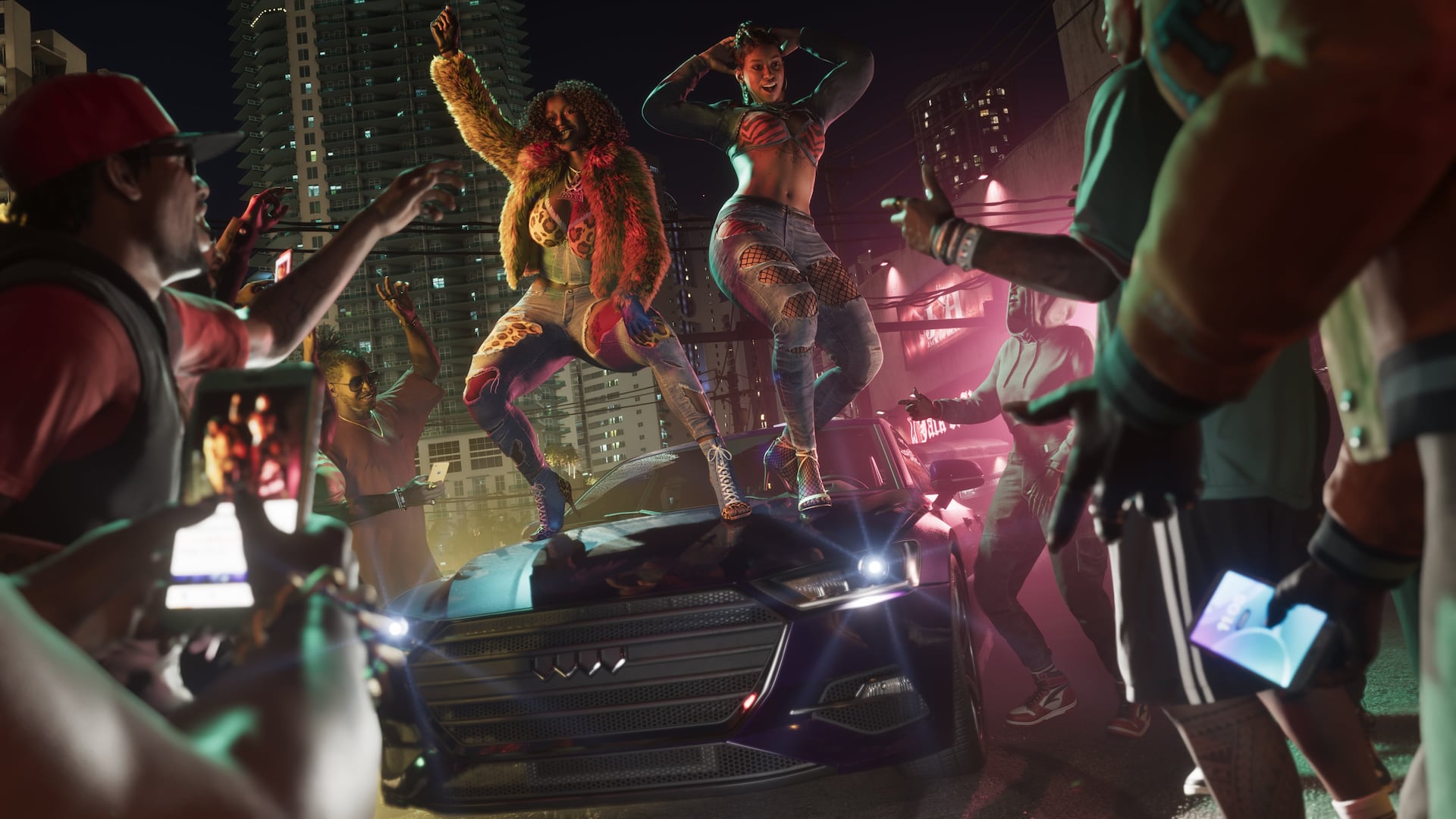
News · 16 min
GTA 6's Extended Look Just Sent Cliff Richard and Captain & Tennille Viral
The 24-minute look was also a radio ad. Identified needle-drops from Phil Collins to Kodak Black are spiking on Spotify, with some catalog tracks up thousands of percent.
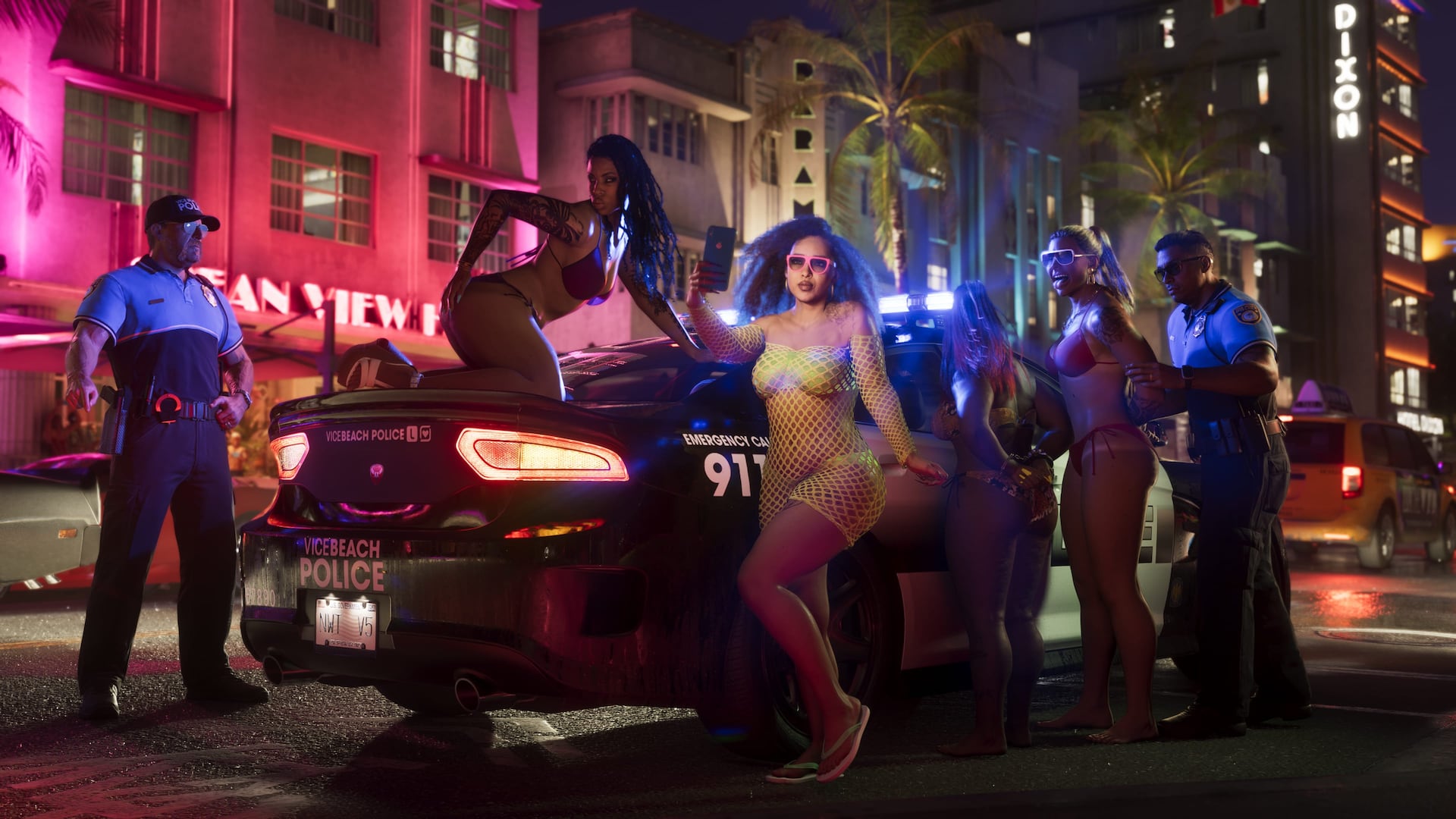
News · 16 min
Is GTA 6 Always Online? What We Know About Offline Play
The November 19 SKU is a single-player campaign. Rockstar has not published an offline guarantee or an always-online requirement. Here is how to read the silence.