Trailers · July 6, 2026 · 16 min read
Trailer 1 vs Trailer 2: The Complete Picture
How the first reveal established Leonida's culture and the second transformed that backdrop into Jason and Lucia's story.
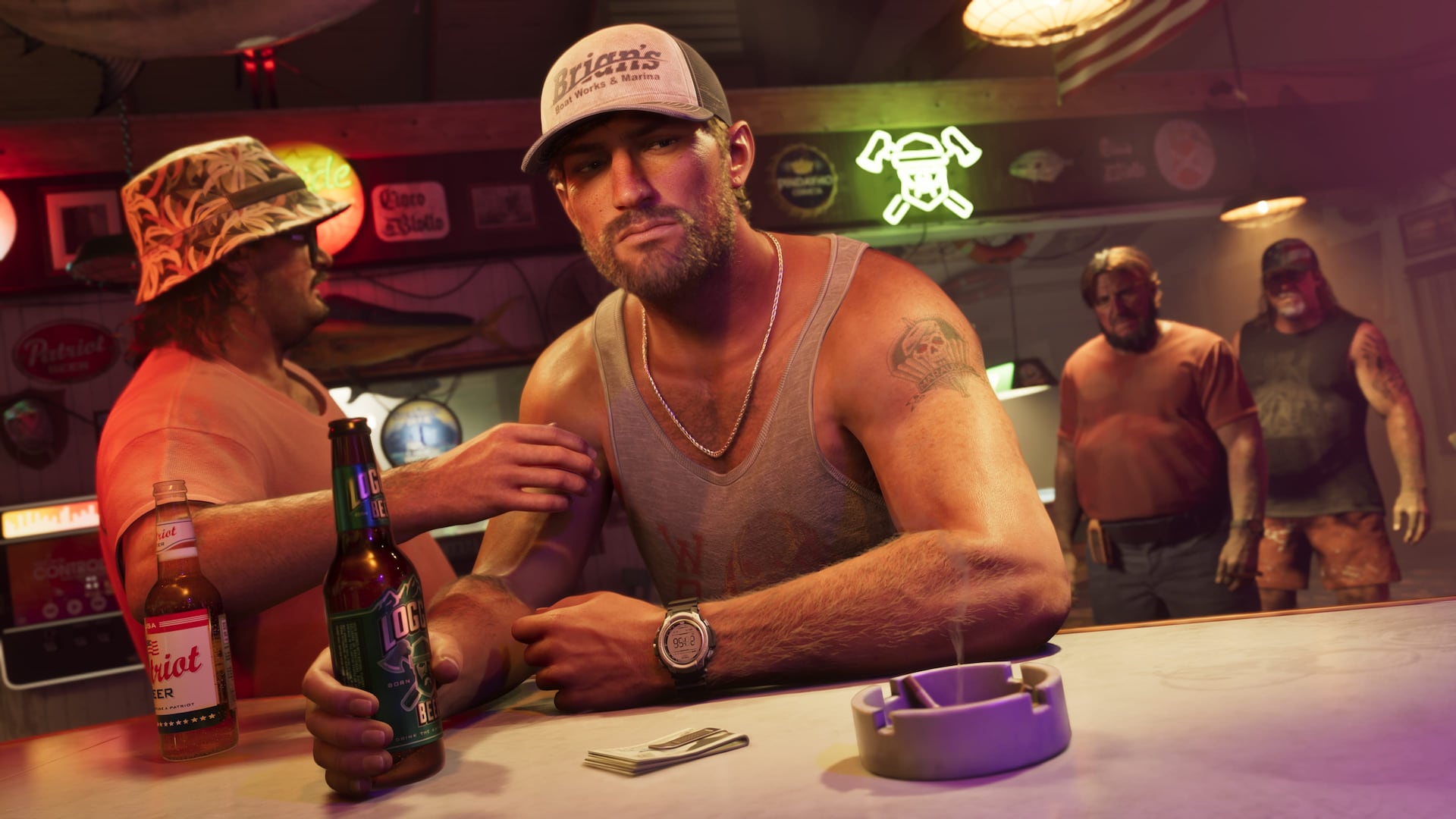
Trailer 1 introduced a place before it introduced a plot. Beaches, traffic stops, rooftop parties, alligators, mud clubs, social posts, and viral chaos established a state watched constantly through phone cameras.
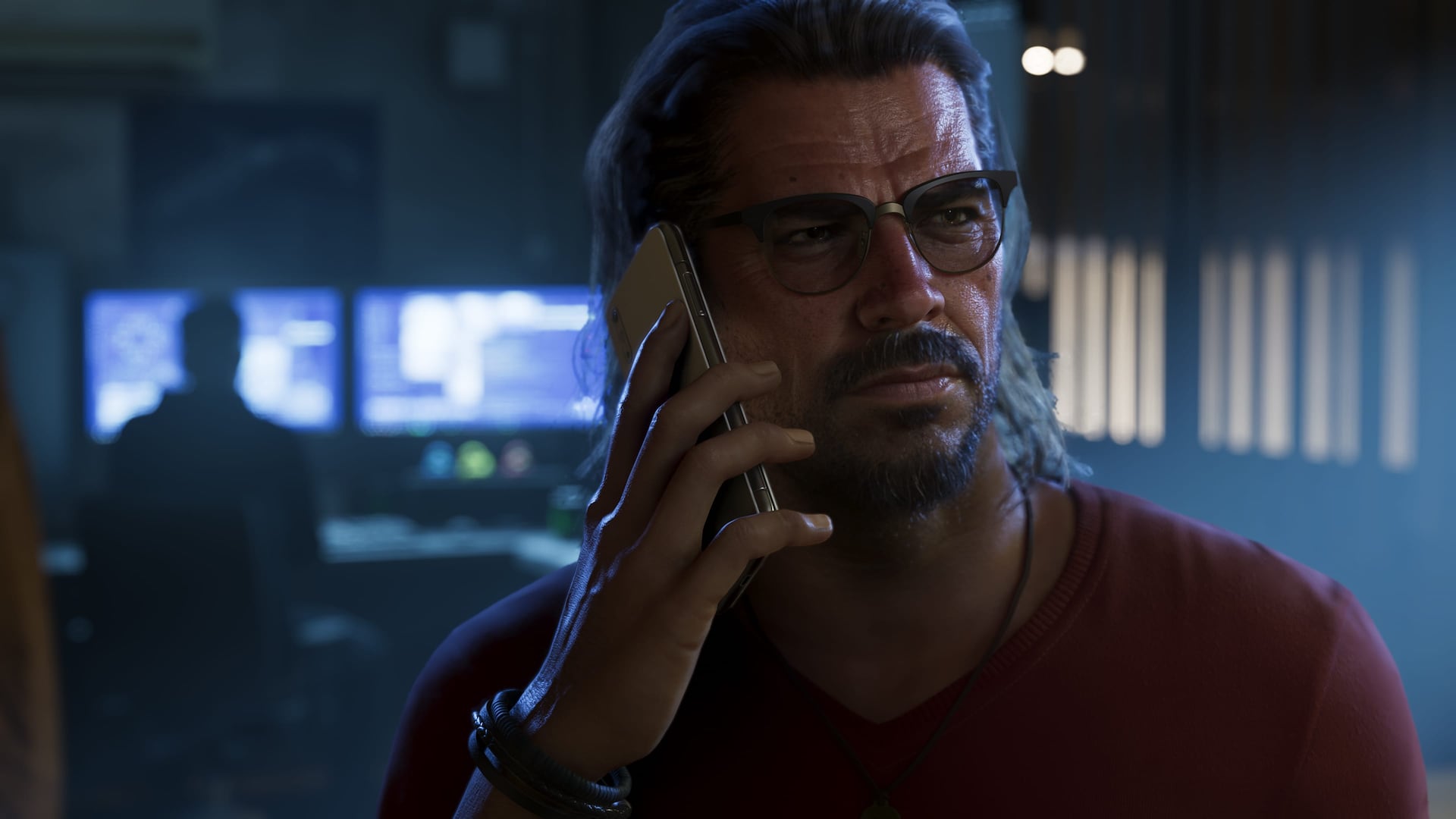
Trailer 2 narrowed the lens. Jason collects Lucia from prison, the pair settle into everyday life, and a score pulls them toward a larger conspiracy. Supporting characters and regional material then filled out the networks around them.
What Trailer 1 established
- Lucia as a central protagonist and Jason as her partner.
- Vice City inside the larger state of Leonida.
- Social media as part of the world's satire and visual language.
- Beaches, wetlands, highways, nightlife, wildlife, boats, and aircraft.
- A trust-driven crime partnership at the core of the story.
What Trailer 2 added
- The names Jason Duval and Lucia Caminos.
- Lucia's release from prison and Jason's life in the Keys.
- Domestic moments alongside robberies, gunfights, vehicles, and nightlife.
- The criminal-conspiracy premise spanning Leonida.
- A wider cast connected to smuggling, music, and professional heists.
The footage rule
A scene in a trailer confirms that Rockstar chose to show that situation; it does not automatically confirm a repeatable player mechanic. We separate visible evidence from assumptions about interiors, interactions, minigames, and mission freedom.
Shot language and pacing
When revisiting “Trailer 1 vs Trailer 2: The Complete Picture,” separate montage energy from systems evidence. Quick cuts, needle drops, and reaction shots sell tone; they do not by themselves prove mission structure, wanted-level rules, or traversal options for the November 19 console release.
Use the piece's own anchors to mark which frames are officially published versus which transitions are editorial interpretation. Official trailers remain the visual baseline; fan re-edits and AI extensions do not upgrade the evidence tier.
Story signals without spoilers
“Trailer 1 vs Trailer 2: The Complete Picture” should privilege relationship beats Rockstar chose to show-pressure, loyalty, ambition-without inventing late-game outcomes. Dual-protagonist chemistry can be discussed from published scenes without spoiling missions that have not been detailed.
If a claim about plot requires an anonymous script page or AI-voiced monologue, leave it out of the confirmed column. Story speculation is fine when labeled; presenting it as spoiled fact is not.
Map and world tells
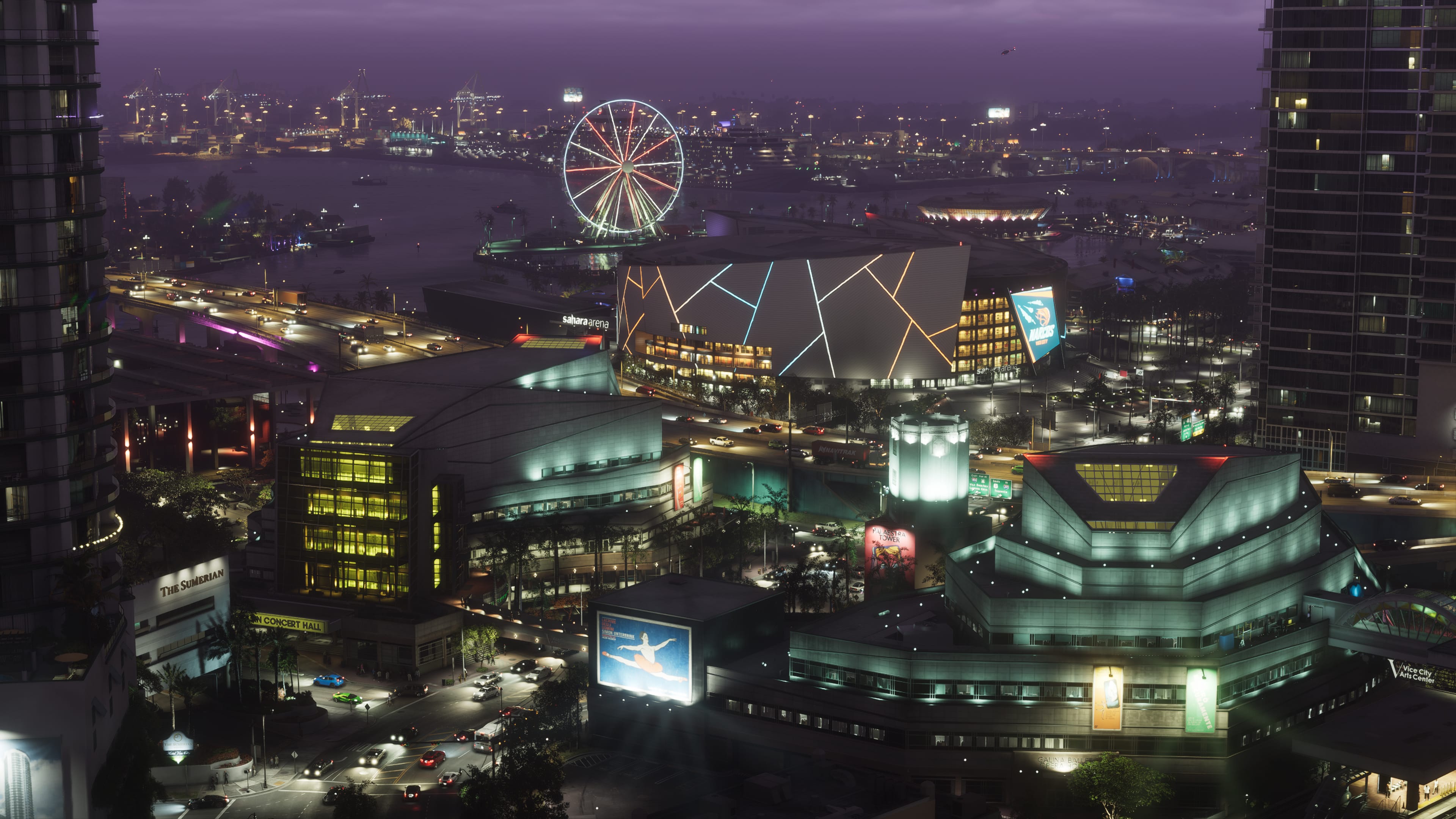
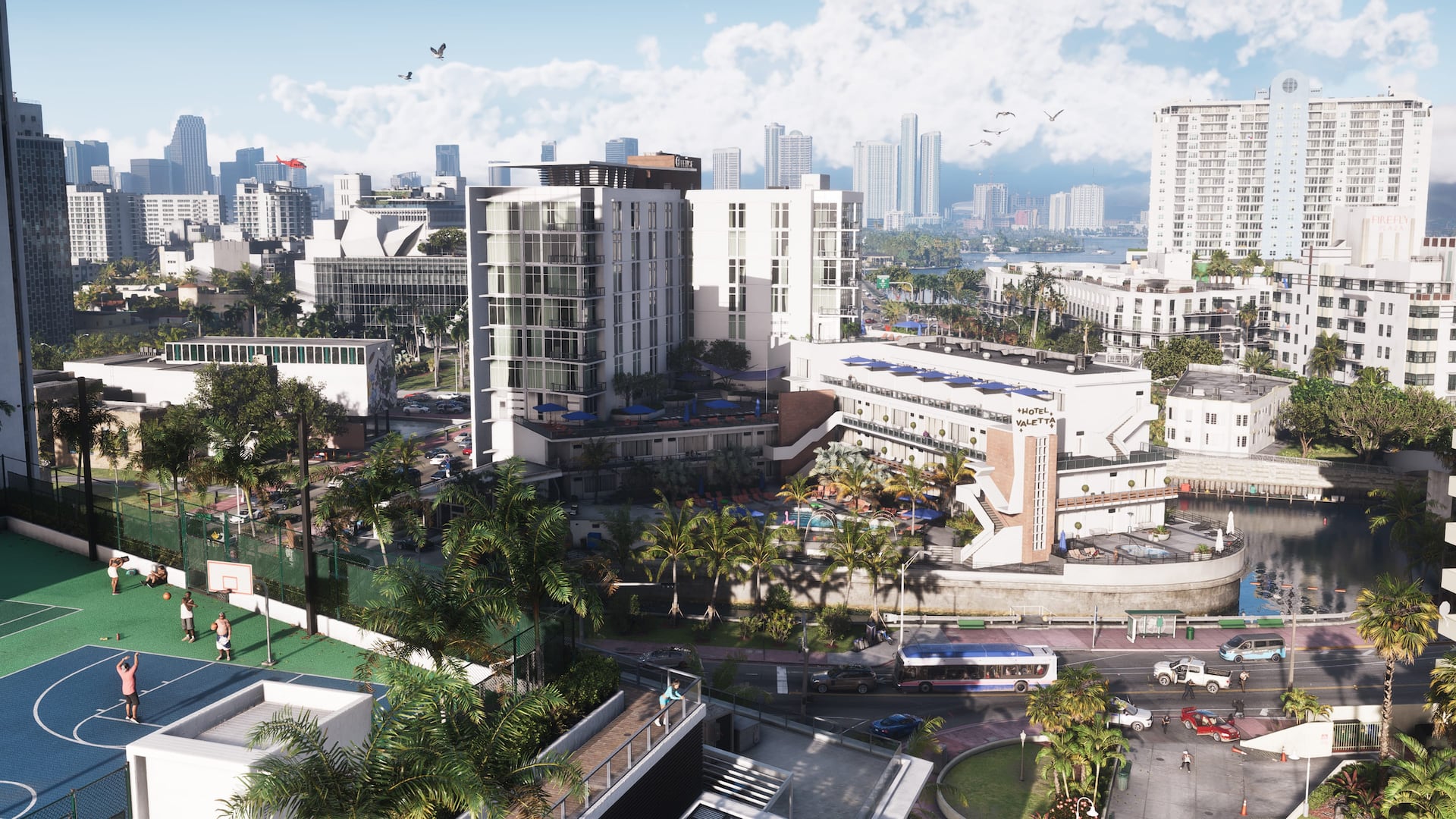
Trailer geography in “Trailer 1 vs Trailer 2: The Complete Picture” can highlight Vice City density, Keys water, wetlands, or inland corridors that match Rockstar's named Leonida framing. Visible landmarks support world analysis; fan-drawn borders and scale estimates do not become official by repetition.
Grand Theft Auto VI remains scheduled for November 19, 2026 on PlayStation 5 and Xbox Series X|S unless a newer Rockstar or Take-Two update supersedes that plan. World tells in marketing do not change platform scope. Console-first launch footage should not be misread as a silent PC announcement.
What still needs a dedicated gameplay reel
Even a strong reading of “Trailer 1 vs Trailer 2: The Complete Picture” leaves systems questions that trailers rarely answer cleanly: control schemes, mission flexibility, law-enforcement escalation, and downtime activities. Those topics deserve a narrated gameplay presentation rather than frame-by-frame invention.
Until Rockstar publishes that reel, describe only what is visible or explicitly captioned. Familiar GTA V systems are historical context, not guarantees for VI.
Related dispatches
Trailers · 16 min
Every Easter Egg and Reference Spotted in the GTA 6 Extended Look
A parody storefront, a Weazel News ticker joke, and a billboard gag that pokes fun at Florida tourism all made it into the 24 minutes. Here is everything spotted so far, without inventing meaning that isn't there.
Trailers · 16 min
What Comes Next After the Extended Look: Trailer 3 and the Road to November 19
The outro card promised more before launch without naming a Trailer 3. Here is what a realistic marketing calendar looks like across the final twelve weeks before Grand Theft Auto VI's November 19 street date.
Trailers · 16 min
GTA 6 Extended Look: The Full Scene-by-Scene Breakdown
Rockstar's 24-minute presentation is done. Here is every sequence in order - the Vice City open, the drive south through the causeway, the Keys, Port Gellhorn, and the Jason-to-Lucia handoff that closes the video.