SUVs & Off-Road
Benefactor Dubsta
Benefactor · Luxury Off-Road SUV
- Seats
- 4
- Drivetrain
- 4WD
- Top speed
- ~106 mph / 171 km/h
- Price
- ~$210,000
- Mass
- 3,000 kg
- Real-world inspiration
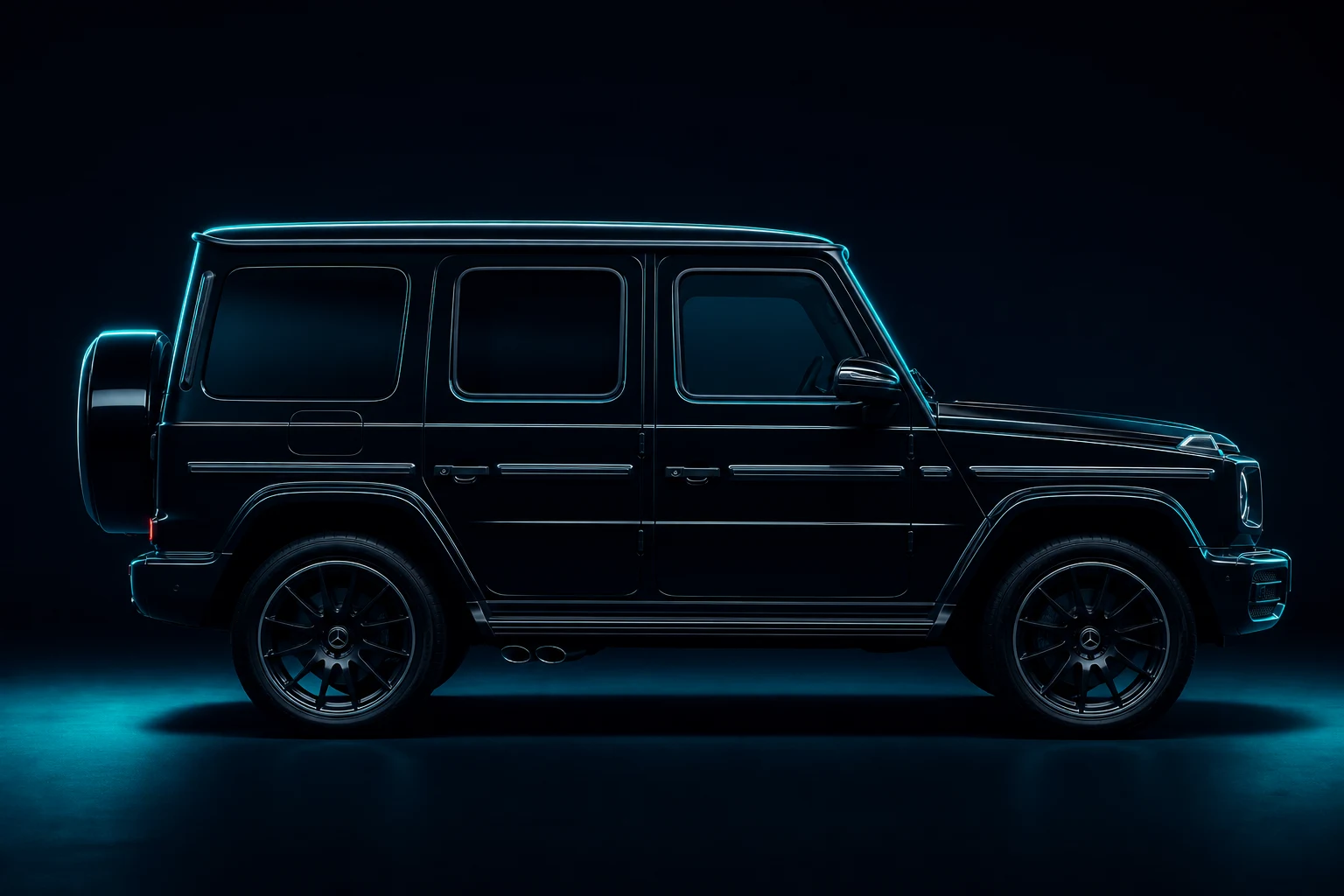
- Mercedes-Benz G-Class
- Availability
- Purchase from high-end and specialty importers in Vice City. Armored variants require completing wealth or reputation milestones. Street examples appear in club valet lanes and affluent driveways, though many are locked or alarmed.
- Overview
- A military box wrapped in hand-stitched leather - the Dubsta is Leonida's armored status symbol and it does not care what you think.
Description
The Benefactor Dubsta should not work. It is a decades-old military design with a body shaped like a shipping container, ladder-frame construction, and locking differentials nobody in Vice City will ever engage. It rides badly, uses fuel at an obscene rate, and costs more than most people's houses. It is also, without serious competition, the most desirable SUV in Leonida, because every single one of those flaws reads as authenticity to the people buying it.
The Dubsta's cultural position is specific and immovable. It is the vehicle parked nose-out in front of the recording studio. It is what the promoter drives, what the fighter buys after a title purse, what the developer's son gets when the developer wants to make a point. Its right-angled silhouette is recognizable at a distance of half a mile in the dark, which is the entire purpose. Nothing else in the state occupies that exact space between military hardware and boutique luxury goods.
Underneath the leather, the engineering really is what the badge claims. Three locking differentials, a genuine low-range transfer case, and portal-derived geometry on some variants mean the Dubsta can climb, ford, and crawl at a level that embarrasses vehicles built exclusively for the job. Owners who take theirs into Grassrivers or up the back side of Mount Kalaga discover a machine that treats terrain as a formality. Almost nobody does this. The capability exists as a promise rather than a practice.
Where the Dubsta earns its criminal reputation is armor. The factory offers protected variants, and the aftermarket in Leonida goes considerably further. A properly built Dubsta is a three-tonne rolling vault with laminated glass, reinforced pillars, run-flat tires, and enough mass to shove a police cruiser out of a lane without changing course. That combination - anonymous to nobody, impervious to almost everything - defines how the vehicle actually gets used in the state.
Design
The Dubsta is defined by right angles. Flat glass on all sides, a windshield that stands nearly vertical, slab doors, and a roof that meets the body without a hint of curvature. Exposed hinges sit on the outside of the doors, the spare tire is bolted to a swing-out carrier on the rear, and the turn signal repeaters stand proud on top of the front fenders like gun sights. Nothing is hidden and nothing is smoothed.
The doors are the signature detail. They close with a heavy mechanical clunk that owners routinely demonstrate to passengers, produced by an over-engineered latch that has survived every attempt at modernization. Panel gaps are deliberately tight, the paint quality is exceptional for something this angular, and the contrast between the industrial shape and the showroom finish is the entire aesthetic argument.
Inside, the contrast becomes absurd in the best way. Quilted leather across the seats and doors, milled metal switchgear, ambient lighting, and a pair of screens sit inside a cabin whose fundamental architecture was designed for soldiers. Grab handles remain where they were on the military version. The dashboard is flat and upright. It is a genuinely strange interior, and the strangeness is exactly why people pay for it.
Performance
The Dubsta accelerates far harder than three tonnes of brick has any right to. Power delivery is immediate and relentless, and the aggressive engine note under load is one of the more distinctive sounds in Vice City traffic. Top speed is limited less by power than by the aerodynamic reality of pushing a flat wall through the air, and fuel consumption at highway pace is genuinely alarming.
Handling is a study in managed compromise. The high center of gravity and short-ish wheelbase produce dramatic body roll, and turn-in requires patience. Once loaded, though, the chassis is more stable than it looks, and the four-wheel-drive system puts power down cleanly out of corners even on wet Vice City asphalt. Braking is the real limitation: enormous mass and modest pedal feel mean stopping distances that require genuine forward planning, especially on the descents around Mount Kalaga.
Off-road performance is the Dubsta's hidden trump card. Locking differentials, serious articulation, and high ground clearance let it cross terrain that strands nearly everything else with four seats and a roof. Deep mud, loose sand, steep loose climbs, and water crossings are all within its range. The only genuine limit is width - it does not fit through the tight tree-lined tracks that a Mesa handles easily.
Driving & Gameplay
The Dubsta is the best pure assault vehicle in the SUV class. Its mass makes ramming a reliable tactic rather than a gamble - pursuit vehicles get displaced, roadblocks get parted, and light barriers stop being obstacles. With armor fitted, it absorbs sustained small-arms fire long enough to get a full crew clear of an ambush, which is a capability almost nothing else with four comfortable seats provides.
It also excels at the mixed-terrain escape. The standard pursuit assumption is that a luxury SUV stays on pavement, and the Dubsta breaks that assumption immediately. Leaving the highway for a levee road in Grassrivers or a graded track on Mount Kalaga while still carrying a full crew and armor is a route option that most vehicles cannot offer.
The things to respect are braking distance and width. Underestimating either produces the classic Dubsta failure - arriving at a corner far too quickly and discovering that the gap between two parked cars is smaller than the vehicle. Plan stops early, take the wide line, and it is close to unstoppable.
Customization
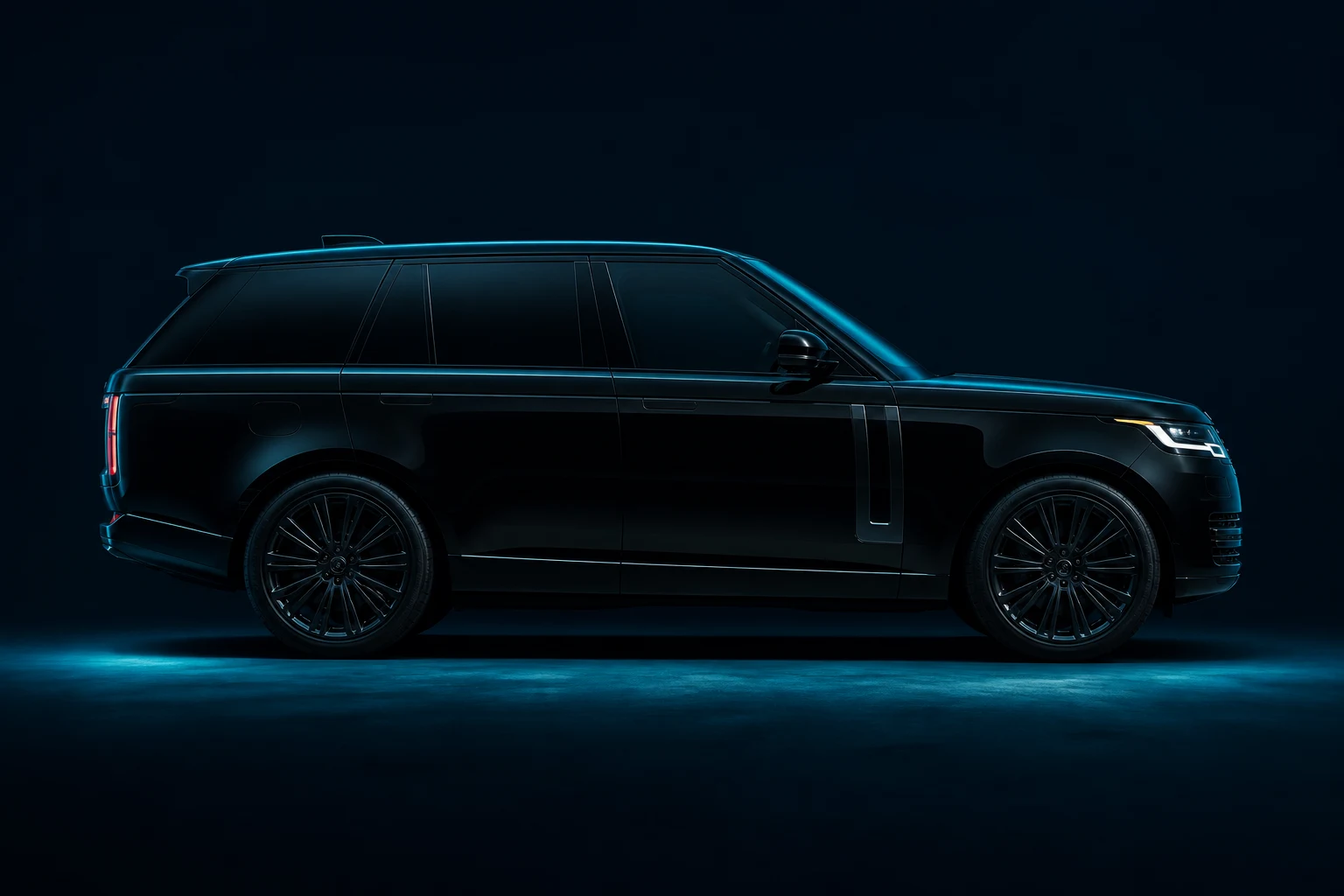
Rideout Customs builds Dubstas in two directions. The blacked-out build is the default: matte or satin black paint, black wheels, black trim, black glass, and every chrome element deleted. Add a light bar, brush guard, and running boards and you have the configuration that appears outside every Vice City club after midnight. Armor packages, laminated glass, and run-flat tires stack on top and are the upgrades that actually change how the vehicle performs under pressure.
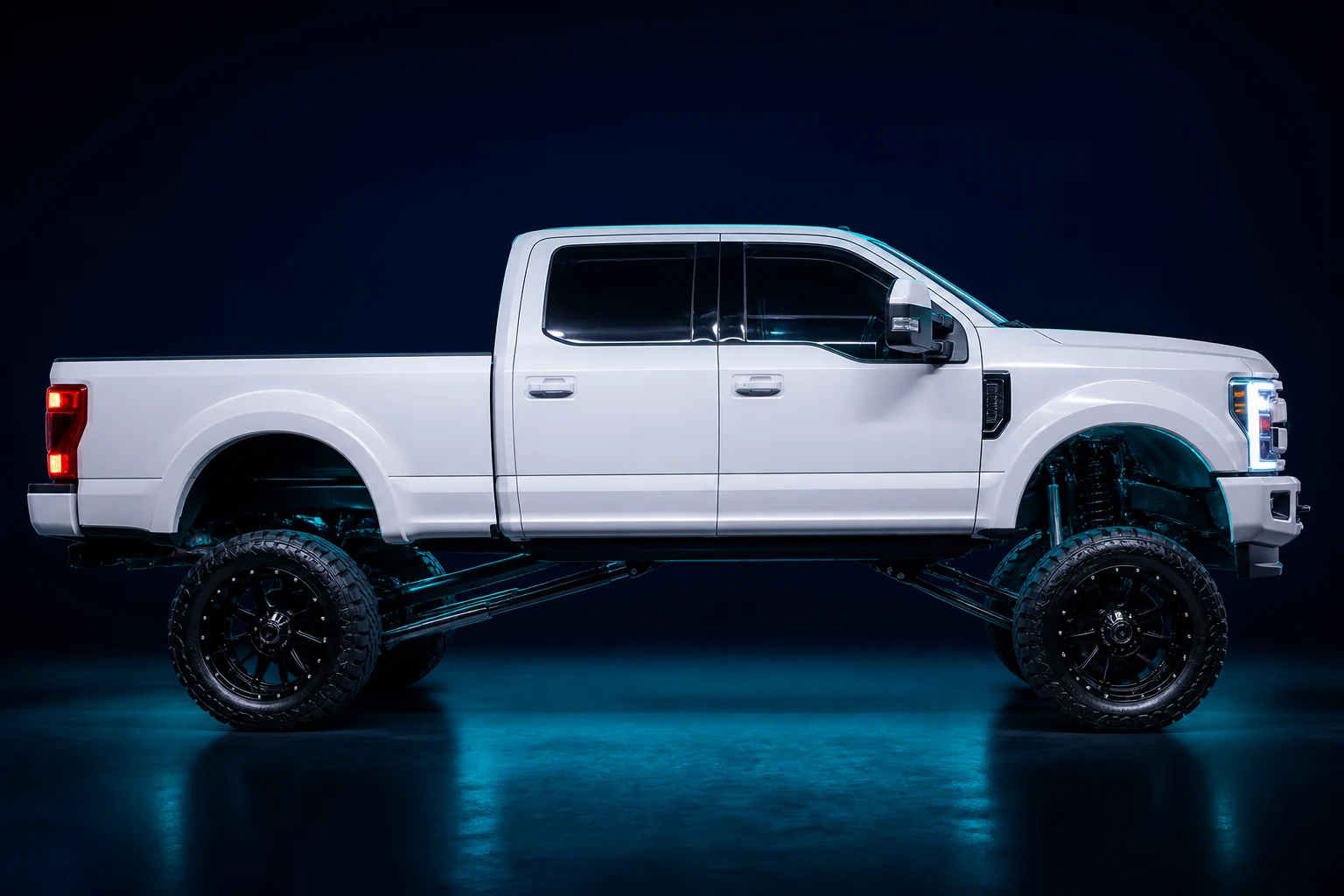
The second direction is the six-wheel and widebody territory. Extended fender flares, portal axle conversions, roof-mounted lighting arrays, exposed exhaust stacks, and tires tall enough to require a step to reach the door handle turn the Dubsta into something closer to a parade float with locking diffs. It is expensive, impractical, and extremely popular. Interior work runs to custom leather, contrast stitching, and audio systems that consume most of the cargo area.
Locations
The Dubsta lives where money and visibility overlap. Nightclub valet lanes and hotel forecourts along the Vice City strip, recording studio parking, private garages in the hill developments, and executive lots at Port Gellhorn are the reliable spots. Convoys of two or three moving together are common on weekend nights and are almost always associated with someone who prefers not to travel alone.
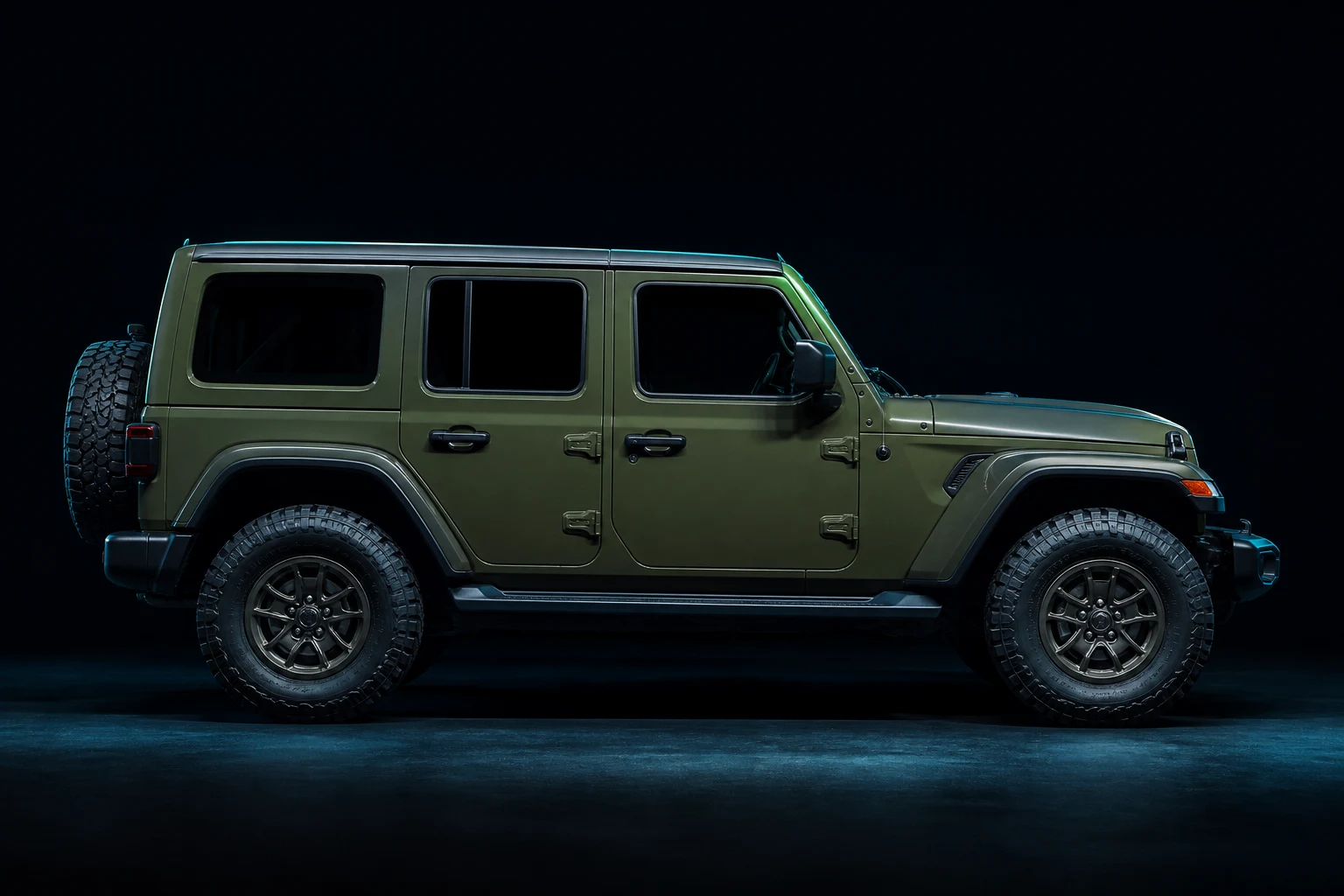
Older, unarmored examples turn up in unexpected places - inland ranch properties, marina storage lots, and specialty importers who deal in grey-market military variants. These are usually earlier trims in faded green or tan with vinyl seats instead of leather, and they drive with the same absurd capability at a fraction of the price.
In Leonida
Benefactor developed the original as a military utility vehicle to a specification that prioritized durability and terrain capability over literally everything else, including comfort, aerodynamics, and cost. Production was expected to be short. Instead the design proved so effective that civilian demand appeared almost immediately, driven initially by farmers and expedition outfitters who wanted the capability without the paint scheme.
The transformation into a luxury object happened gradually and then all at once. Benefactor kept adding equipment - leather, sound insulation, electronics - without touching the fundamental architecture, and each addition made the contrast more appealing rather than less. By the time coastal buyers in markets like Leonida discovered it, the Dubsta had become something no product planner would have designed on purpose: an uncompromised military platform sold as a fashion item, at a price that made the compromise-free engineering economically viable. Benefactor has wisely refused to fix any of it.
Trivia
- The door latch mechanism is over-engineered to a degree that owners demonstrate it to passengers unprompted, every single time.
- Fender-top turn signal repeaters exist so a driver can see the vehicle's exact width - a genuinely useful feature nobody in Vice City uses for that purpose.
- Its width is the most common reason Dubstas get damaged in the city, not speed, and parking structure pillars take most of the blame.
- Grey-market military-spec examples in flat tan occasionally appear at inland auctions and cost a fraction of the leather-lined version.
- The blacked-out Dubsta has become such a fixed signifier in Vice City nightlife that arriving in a white one reads as a deliberate statement.