Combat · 9 min read · Beginner
How to Get and Upgrade Weapons
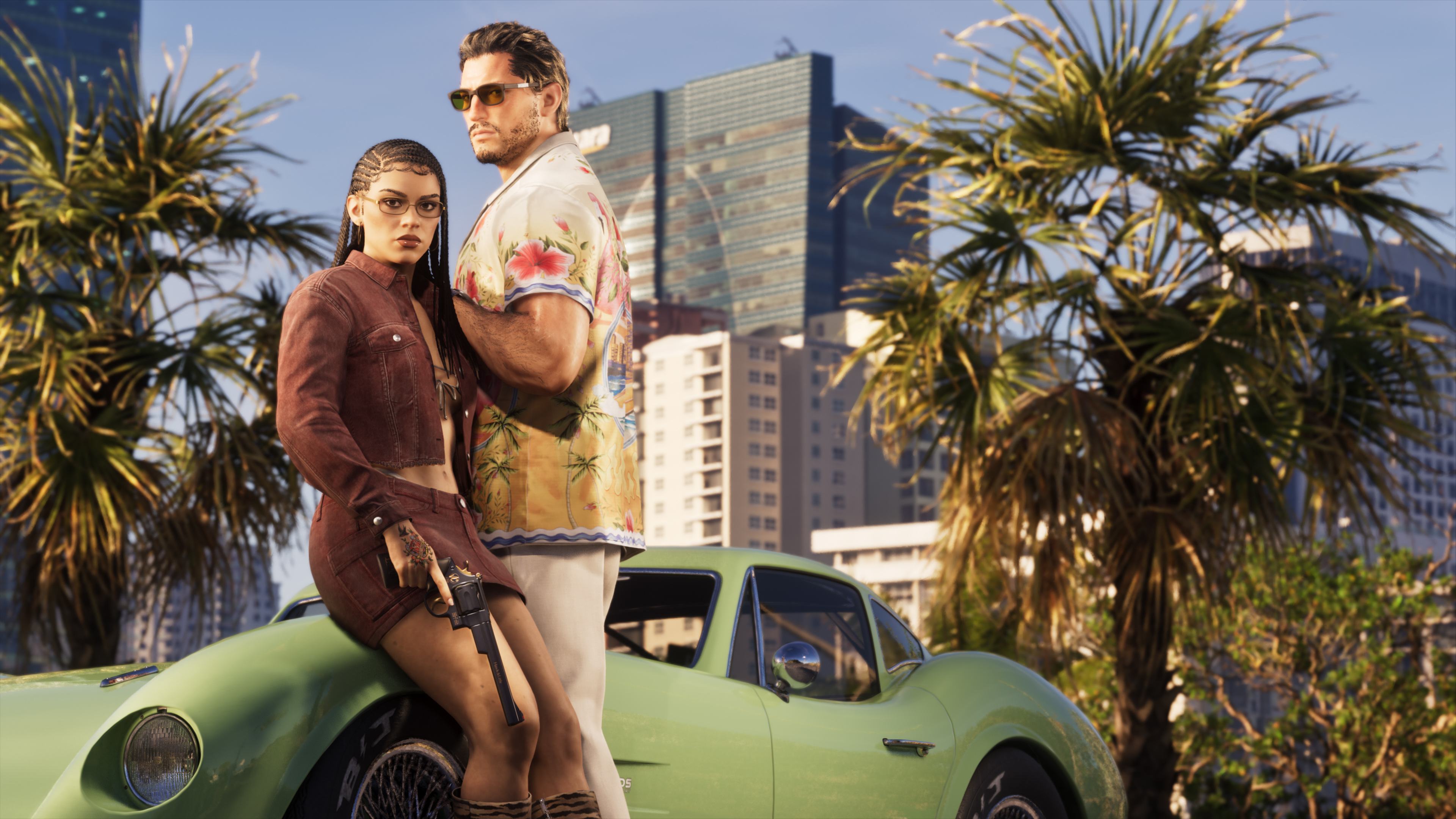
How to arm Jason and Lucia efficiently - early sidearms, mission-appropriate rifles, throwables, armor, and when to spend on customization versus ammo.
GTA VI's confirmed arsenal spans handguns, shotguns, SMGs, rifles, snipers, launchers, melee, and tactical gear. Owning everything is not the same as being prepared.
The best loadouts are situational: quiet Keys work, dense Vice City CQB, rural long range, and heist backup heavy weapons stored in a vehicle - not always in your hands.
This guide explains acquisition order, dual-character gearing, shop versus mission unlocks, and upgrade priorities.
Early arms that actually matter
Start with a reliable pistol, a close-range option (shotgun or SMG), and body armor. That trio clears most Act I surprises without bankrupting you.
Melee and tools - bats, crowbars, lock tools - matter more in GTA VI's trailer fantasy than players expect. Trespass and stealth scores often begin with quiet entry, not spray.
Do not max-mod a rifle you will replace in three missions. Put early money into armor capacity, snacks, and ammo reserves.
Visit the weapons catalog on this site to match confirmed guns to roles before you fall in love with a trailer hero weapon that does not fit your current mission type.
Gear both protagonists
Dual play means dual loadouts. When the game switches you mid-fight, the idle partner keeps whatever you last gave them.
After shopping, switch characters and verify inventories. A common failure state is one protagonist stacked and the other holding a starter pistol during a finale.
Share a philosophy: both carry a primary, a backup, armor, and a throwable appropriate to the next mission. Specialists can diverge later.
Store heavies in the mission vehicle. Walking through a stealth opener with an RPG equipped is how AI plans go to die.
Upgrade priorities
Optical sights and magazines usually beat paint jobs. Extended mags matter in trailer-style multi-wave shootouts. Suppressors matter when the map still lets you choose quiet.
Buy ammo in bulk after you pick a main rifle platform so you are not nickel-and-dimed mid-act.
Armor is a weapon. Budget for it like ammunition.
Throwables - flash, smoke, molotovs - solve geometry problems guns cannot. Carry at least one crowd-control and one area-denial option into big interiors.
Fit weapons to mission geography
Vice City interiors and clubs favor SMGs and shotguns. Port and warehouse maps favor rifles and grenades. Keys boat fights favor mobility and sticky situational tools over slow heavies.
Mount Kalaga and open rural spaces justify a sniper or longer rifle. Bringing only CQB gear to a ridge fight is self-owning.
Read mission briefs on this site for recommended loadouts, then adjust to your comfort. The catalog exists so you stop guessing in the pause menu under pressure.
After each major unlock, retire outdated guns from the active wheel even if you keep them stored. Cluttered wheels slow combat decisions.
Weapon spending without going broke
Weapons are a supporting budget inside the become-rich plan. Cap cosmetic weapon spend until income property or heist reserves exist.
Loot enemy guns during missions when practical, but do not let scavenged clutter replace a practiced loadout you can shoot accurately.
Replenish after big fights before free roaming. The worst time to discover empty magazines is the random encounter after you told yourself you were done for the night.
If a unique story weapon appears, store and favorite it immediately.
Key tips
- Armor and ammo before exotic weapon cosmetics.
- Duplicate core loadouts across Jason and Lucia.
- Keep heavy weapons in the backup vehicle for stealth opens.
- Change the active weapon set when the region type changes.
Common pitfalls
- One protagonist fully geared, the other forgotten.
- Spending the heist cut on paint jobs with empty armor stocks.
- Carrying only long rifles into tight interior missions.
- Never restocking after a finale shootout.
Related guides

Property · 11 min · Beginner
How to Buy Property in GTA VI
Where to buy, what to buy first, how districts change value, and how property ties into missions, storage, and long-term income across Vice City and beyond.
Vehicles · 10 min · Beginner
How to Buy a Car in GTA VI
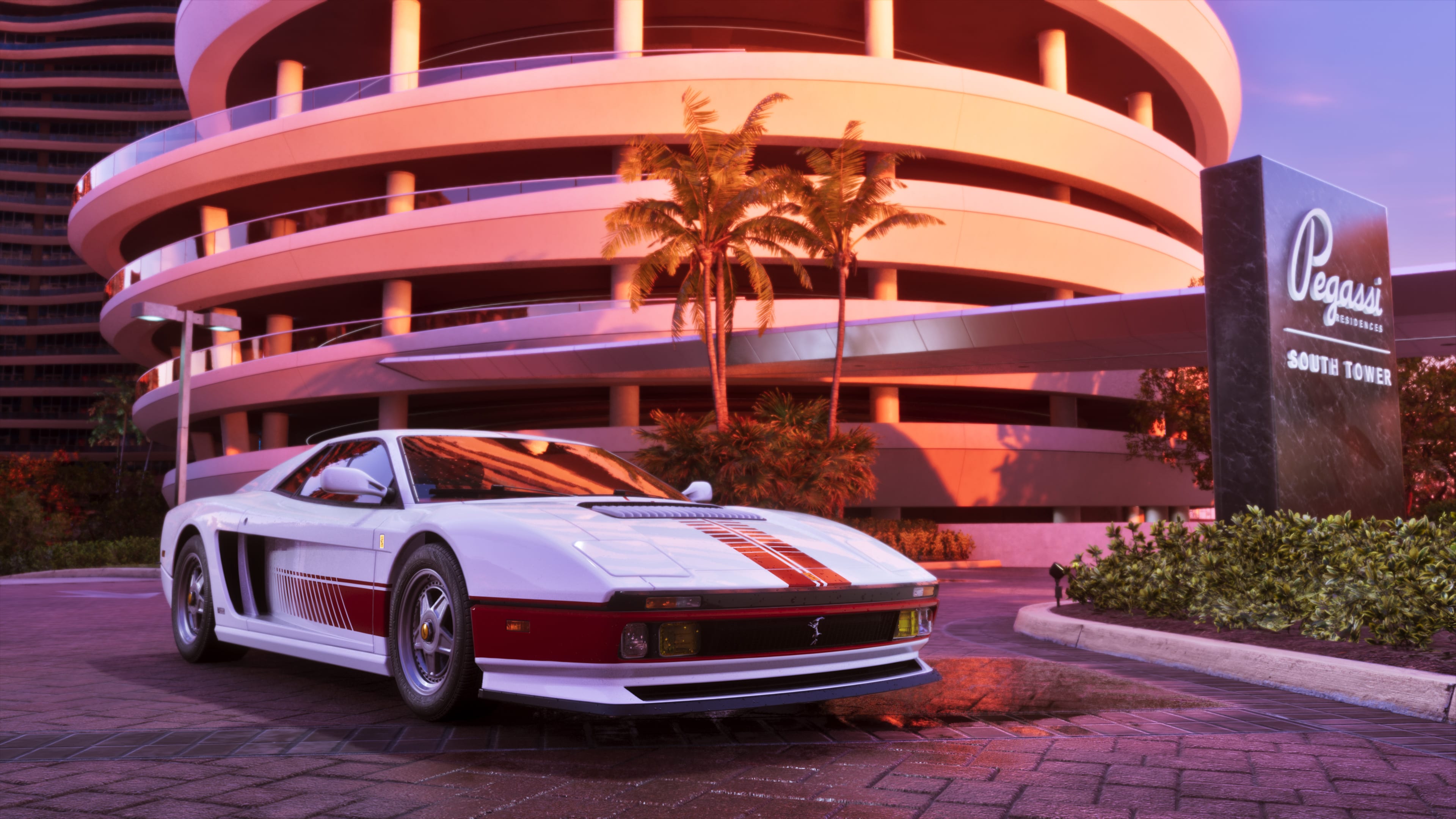
How vehicle shopping works in Leonida - when to buy versus steal, which classes matter, insurance habits, customs, and building a garage that serves story and free roam.

Combat · 10 min · Intermediate
How to Lose the Cops in GTA VI
Practical escape routes and habits for Leonida - Vice City density, Keys water exits, rural blind spots, and how to stop feeding stars with panic driving.

Exploration · 11 min · Beginner
How to Explore Leonida Efficiently
A travel and discovery guide for Vice City, the Keys, Grassrivers, Port Gellhorn, Ambrosia, and Mount Kalaga - what to collect, when to roam, and how to use the map like a local.