Muscle & Classics
Declasse Tampa
Declasse · Muscle
- Seats
- 2
- Drivetrain
- RWD
- Top speed
- ~110 mph / 177 km/h
- Price
- ~$78,000
- Mass
- 1,750 kg
- Real-world inspiration
- 1970s American intermediate muscle coupe
- Availability
- Classic dealer at the north Vice City marina, coastal auction weekends, or private sale; rough survivors occasionally found in Port Gellhorn used lots and Grassrivers driveways.
- Overview
- A seventies Declasse intermediate with a shovel nose and a duck tail - rough, raw, and the purest expression of the era still driving around Leonida.
Description
The Declasse Tampa comes from the specific handful of years when American manufacturers were putting their largest available engines into their mid-size bodies and selling the result to anybody with a license. It has almost no safety equipment, almost no chassis development, and an enormous amount of power, and the combination produced a car that was thrilling and genuinely dangerous in roughly equal measure. Half a century later that has not changed.
Where the modern muscle cars have been civilised by decades of iterative engineering, the Tampa remains exactly as crude as it was built. The steering has a full turn of play at the straight-ahead. The brakes are drums at the rear. The suspension is a set of leaf springs and some optimism. Driving one hard requires constant small corrections, and driving one hard in the rain requires a considerable amount of nerve.
What it has, overwhelmingly, is character. The Tampa's engine note is a low uneven rumble at idle that turns into something genuinely violent at full throttle, and the whole car shakes with it. There are no electronics between you and the machinery. You can feel the driveline take up slack when you get on the power, feel the body flex over a bad surface, hear the fuel system working. In Leonida, where so much of the exotic scene is about isolation and refinement, the Tampa's rawness has made it a cult object.
It has also, in recent years, become expensive. The surviving cars in decent condition are finite, the Vice City restoration scene has driven prices well past what any period buyer would have believed, and the market has bifurcated: pristine numbers-matching cars going to collectors on the mainland, and rough survivors being turned into brutal modified street machines by the east-side crowd who care considerably less about originality.
Design
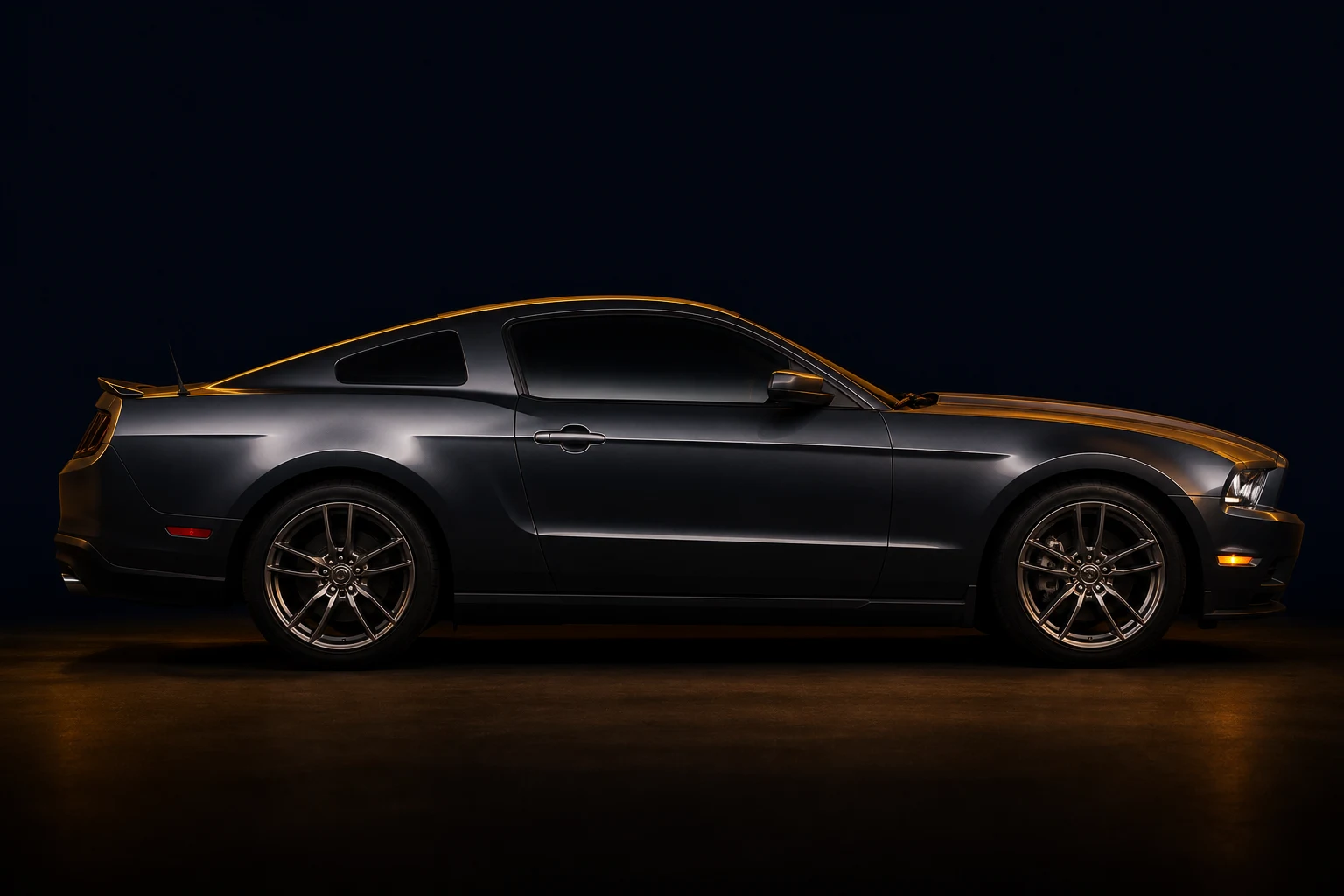
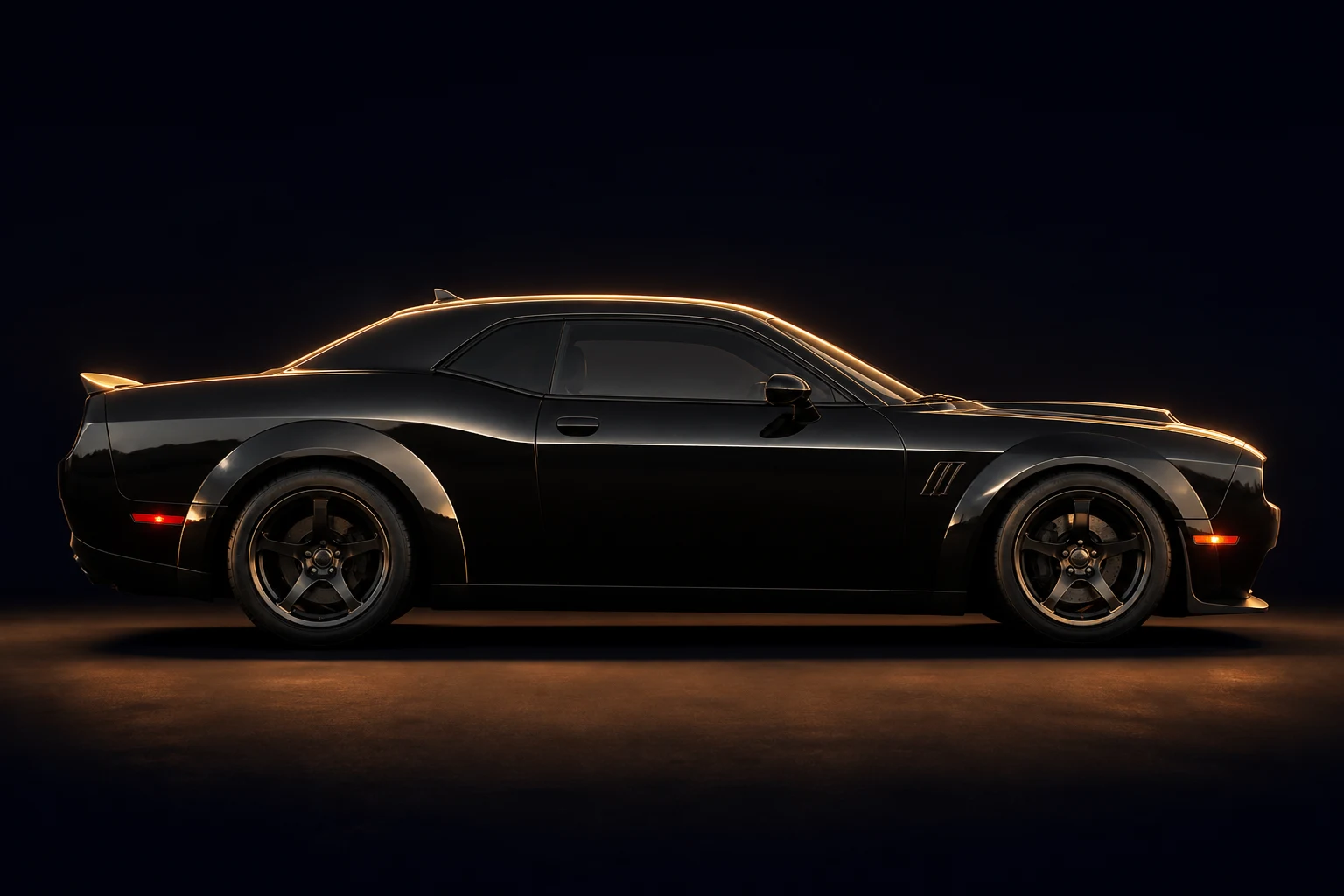
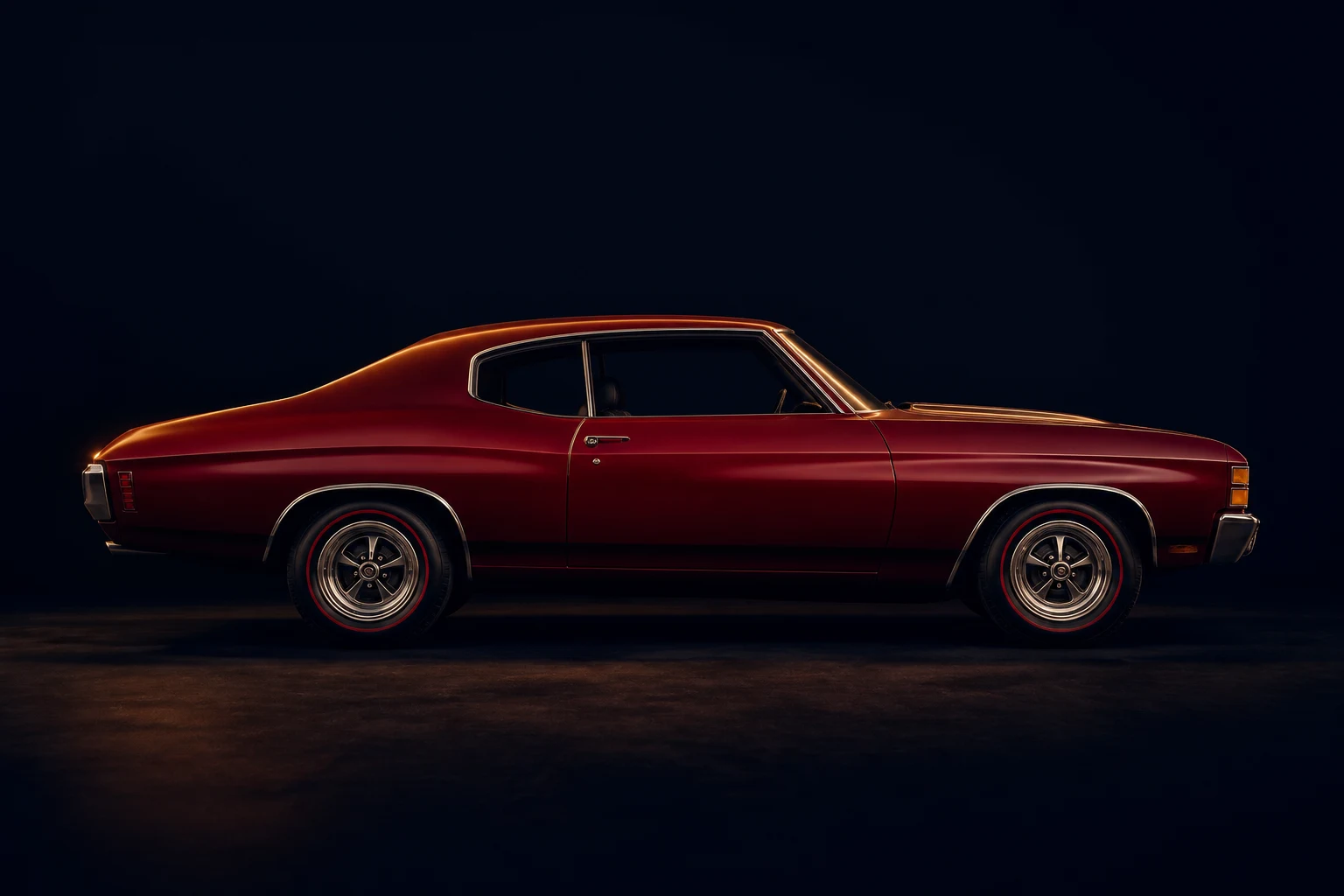
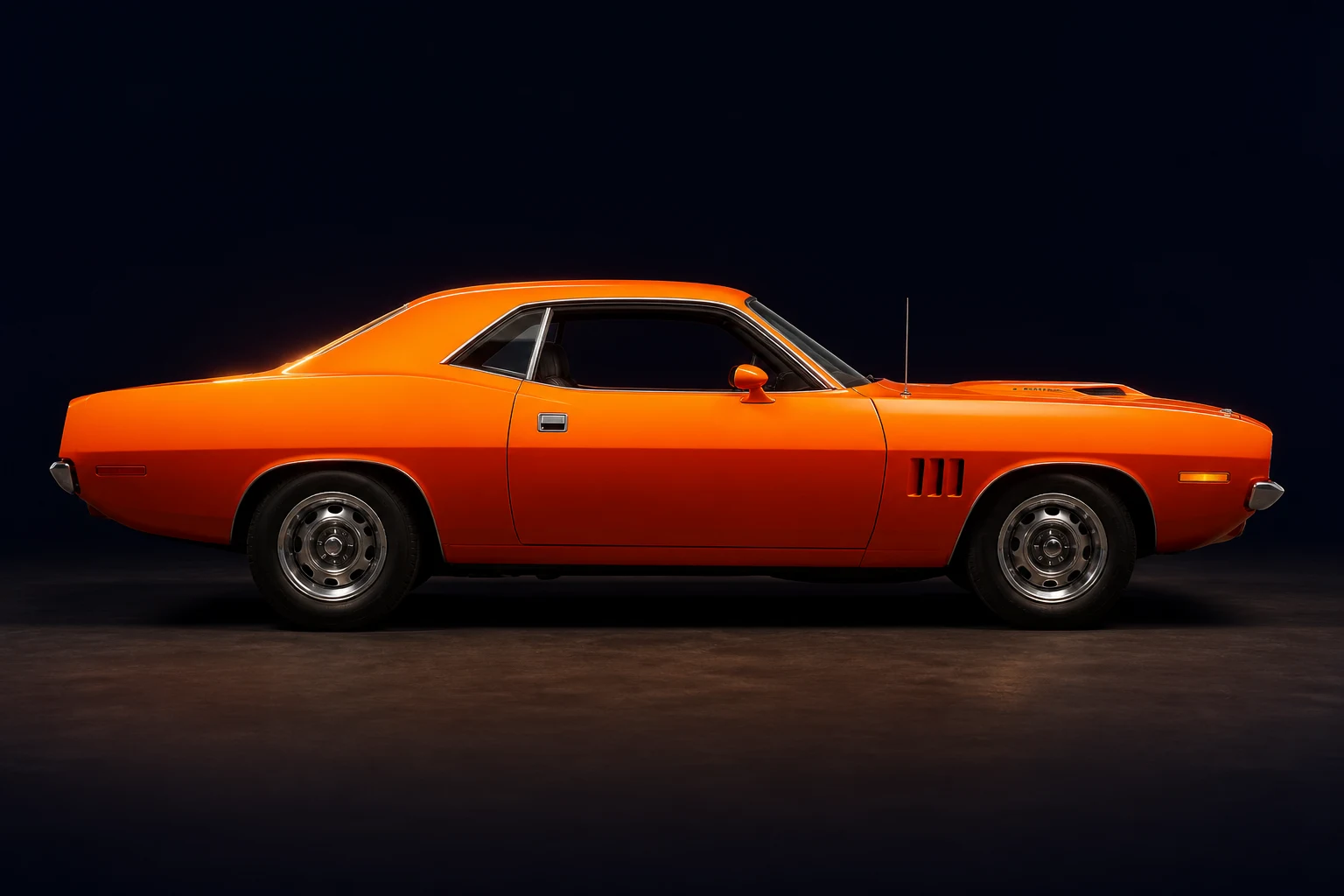
The Tampa's shape is pure period intermediate: a long low hood with a subtle power bulge, a chopped roofline with a fast rear window, and a short deck ending in a small integrated ducktail spoiler. The nose is a deeply recessed grille with exposed round headlamps set into the outer corners, and the front bumper is a slim chrome blade rather than the heavy federal item that ruined later cars.
The flanks carry the model's defining feature: a pronounced upward kick over the rear wheel arch that gives the car a permanent forward lean. Declasse offered stripe packages that trace that line and virtually every surviving Tampa in Leonida wears some version of them, whether original or reproduced.
The interior is a slab of vinyl and painted metal. A wide bench-adjacent pair of low-back buckets, a big thin-rimmed wheel, a shifter on the floor with a rubber boot, and an instrument panel of horizontal strip gauges that are almost unreadable in direct Leonida sunlight. The build quality was mediocre when new and time has not been kind, which is part of why so few clean ones survive.
Performance
Acceleration is dominated by the way the power arrives, which is all at once and slightly before you are ready. There is no progressive build - the Tampa's engine comes onto the secondaries somewhere in the middle of the range and the car simply lunges. It is not the quickest thing in the class on paper but it is unquestionably the most dramatic.
The chassis is not remotely equal to the engine, and everybody who drives one learns this within the first mile. Body roll is substantial, the rear axle hops over bumps under power, and the front tires give up long before you would expect them to. The Tampa does not corner so much as it survives corners. Getting one around a Vice City block quickly is an act of anticipation rather than technique.
Braking is the genuine hazard. The stock system is period-correct and period-inadequate, and it fades dramatically after two or three hard applications. Any Tampa in Leonida that gets used in anger has usually had the brakes upgraded, and any one that has not should be driven with a very large safety margin and a great deal of respect for the state's habit of stopping traffic without warning.
Driving & Gameplay
Respect the brakes above everything else. A stock Tampa needs roughly twice the stopping distance of a modern car and considerably more than that once the drums are hot. If you are going to use this car for anything demanding, put the money into the braking system before you touch the engine - it is the difference between a fast car and a crash.
Drive it in a straight line wherever possible. The Tampa's strength is the violence of its acceleration and its weakness is everything to do with changing direction, so route planning matters more in this car than in almost anything else in Leonida. Long highway runs, the Ambrosia interchange, the flat mainland roads. Avoid anything that involves a sequence of tight corners.
Be ready for the rear axle. Under power over an uneven surface the leaf-sprung rear will hop and skitter sideways, and it happens fast enough that the correction has to be instinctive. Practise on the empty industrial roads before you take a Tampa anywhere that matters, because the first time it happens at speed in traffic you will not have time to think about it.
Customization
Rideout Customs has built a genuine specialty around the Tampa, and the catalog splits cleanly in two. The restoration side covers period-correct paint and stripe packages, reproduction chrome, original wheel designs and correct interior vinyl - the parts a collector needs to put a survivor back to how it left the factory.
The other side is where most of the state's Tampas actually end up. Aggressive front splitters, hood scoops and blowers protruding through the bonnet, roll cages, side exit exhausts, wide rear wheels with the arches cut to clear them, and full engine, transmission and suspension rebuilds that finally give the chassis some relationship with the power. The brake upgrade is the one modification the shop recommends universally, regardless of what else the customer wants.
Locations
The Tampa is not sold new anywhere. Clean cars change hands through the classic dealer at the north end of the Vice City marina and through the coastal auction weekends; rough ones turn up in the back rows of the used lots in Port Gellhorn and in private sales advertised on cards in Hamlet gas stations.
Out in the world it appears where the enthusiast scene lives - the Sunday morning show-and-shine in the Vice Beach lot, the industrial road meets east of Port Gellhorn, and the driveways of the older mainland houses in Grassrivers where somebody has had the same car since it was new. Rideout Customs almost always has one in the shop.
In Leonida
Declasse sold Tampas in Leonida by the thousand during the model's short run, and the state consumed them the way it consumes everything - hard, fast and without much thought about the future. They were raced on the mainland highways, wrecked in the canals, and abandoned in enough numbers that for years a rough one could be had for the price of the tires.
The reappraisal came later, as it always does. Vice City's restoration scene rediscovered the model, prices climbed, and the Tampa went from disposable old car to genuine asset within about a decade. That shift has produced its own small crime economy: Tampas are now worth enough to steal deliberately, and the state's classic-car theft rings work from auction catalogs and show entry lists the way an earlier generation worked from parking lots.
Trivia
- The pronounced kick over the rear arch gives the car a permanent forward-leaning stance even when it is parked level.
- The strip-style instrument gauges are nearly unreadable in direct Leonida sunlight, a complaint that dates back to the model's launch.
- Rideout Customs recommends the brake upgrade to every Tampa owner regardless of what else they came in for.
- Values in the state have risen far enough that classic-car theft rings now work from auction catalogs to locate specific cars.
- The rear brakes are drums from the factory, which is the single most common modification made to surviving examples.